 0
0
 0
0
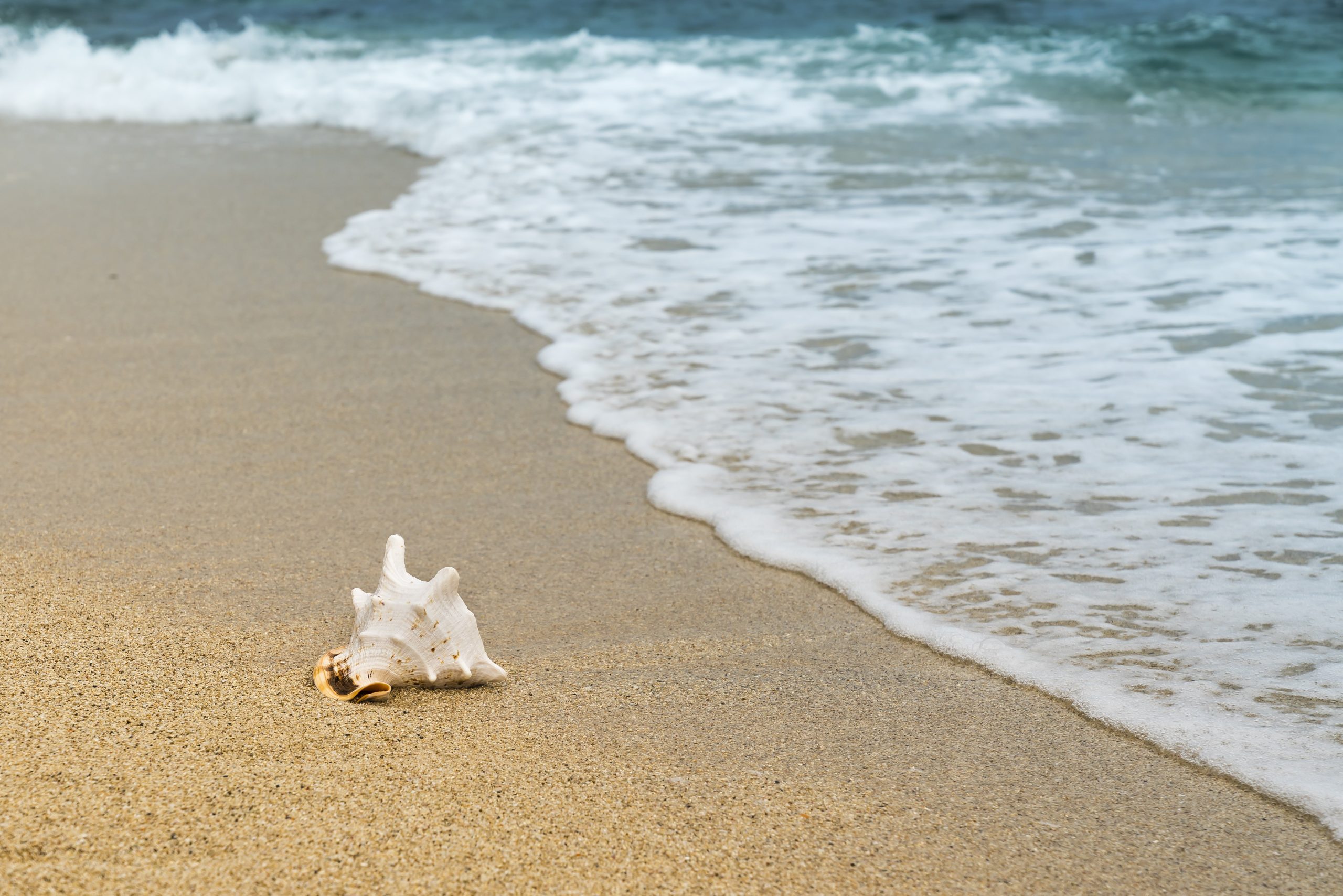
For many holidaymakers, picking up a pretty shell is as natural as applying sunscreen. Children love it, adults find it calming, and the small treasures often end up on windowsills back home. But what feels harmless can, in several countries, lead to hefty fines or even prison sentences. The rules vary widely — and ignorance won’t protect you at customs.
Why Shell Collecting Isn’t Always Allowed
What many travellers don’t realise: shells, stones, corals and even sand can fall under strict environmental or cultural protection laws. In some countries, these natural items are considered part of the national heritage. In others, they are protected under the Washington Convention (CITES), which regulates trade in endangered species.
CITES lists around 6,000 animal species and 32,800 plant species whose export is restricted or banned. Violations can lead to fines of up to €10,000 when entering Germany — even if the items were unnoticed during departure.
Where Shell Collecting Is Safe
In many popular European destinations, collecting small amounts of shells is allowed — as long as they are not from protected species and not taken from nature reserves.
Countries where recreational shell collecting is generally permitted:
- Germany
- France
- Greece
- Croatia
- Portugal
- Spain
But even here, two important restrictions apply:
- Protected species — including their empty shells — may not be taken.
- Nature reserves are strictly off-limits.
Travellers should also collect only small, non-commercial quantities.
Special Limits You Should Know
According to German customs, certain species have strict quantity limits:
- Three giant clams
- Three “Fechterschnecken” (fighting conch shells)
- Up to four dead seahorses
Anything beyond that can trigger penalties.
Where Shell Collecting Is Forbidden
In several countries, removing shells, stones or sand is considered an interference with a protected ecosystem — and is punished accordingly.
Countries with strict bans:
- Italy
- Turkey
- Egypt
- Dubai
- Dominican Republic
- New Zealand
- Northern Cyprus (Turkish-controlled)
In the USA, Mexico and Thailand, collecting is only punishable if the shells belong to protected species — but travellers should still check local rules carefully.
What Penalties Can Look Like
The consequences vary dramatically:
- New Zealand: High fines; in severe cases, months of imprisonment.
- Turkey: Extremely strict — in the worst case, up to ten years in prison for exporting protected natural items.
- EU customs: Even if you leave the country unnoticed, German customs can still issue fines upon re-entry.
And it’s not just shells: sand and stones can also be protected. In Germany, taking them is allowed only for non-commercial use.
The Bottom Line: Check Before You Collect
What seems like a harmless holiday ritual can quickly turn into an expensive mistake. Whether shells, stones or sand — travellers should always check the local environmental laws before taking natural souvenirs home.
- source: wmn.de/picture: Image by Quang Nguyen vinh from Pixabay



This post has already been read 6476 times!